All posts by admin

Voice & Healing in Writing

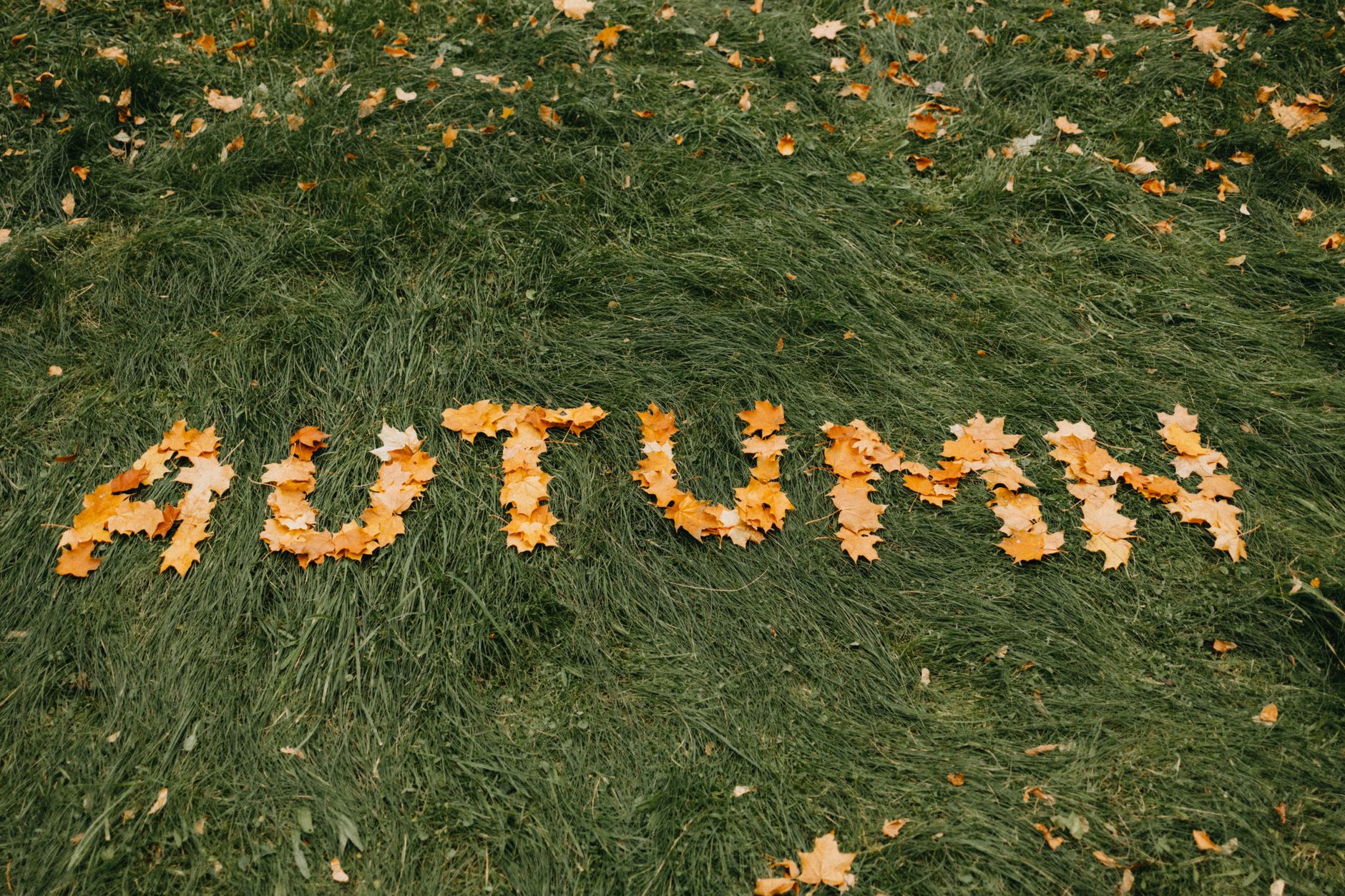
word autumn made of fallen leaves
Photo by Maksim Goncharenok on Pexels.com

What a lovely class we had last Thursday. Thanks to everyone for their thoughtful contributions. I am glad we made it outside for a bit at the start of our time together. To embrace the outside air on such a lovely Autumn day was a small gift, and I believe our “shout out” time in the pagoda was a good way to start our class this past week, especially because I was mindful of the double-header slated for the evening. We would be sitting for a long time, so the air might do us some good beforehand. The presentations thereafter were engaging as well as complimentary, and all together our rhythm made for a very thoughtful evening.

Our slides

Voice
Thank you Zach for your presentation on voice, and the weaving together of the articles from Huber and also Brannon & Knobloch. I am grateful that we had the chance to think together about why the concept of voice is at once elusive but also so critical when thinking about writing.  This also worked as an effective follow up to the Writing & Identity conversation we had last week, which highlighted writing as something that involves iterations of self-expression. Both of the articles that Zach selected share a fundamental commitment to protecting a writers’ agency, and honoring a writer’s authority over their own words and ideas. Huber challenges the notion that writers must discover a single, stable, “authentic” voice, and Zach really drew out how she understands “voice” as multiple, evolving, and shaped by relationships, experiences, and communities. She encourages writers to experiment with different voices as a way to discover what they want to say, rather than allowing expectations about proper style or genre to constrain thinking. I love the moment wherein Zach strung together key quotes from all of you, ultimately landing on the notion that writing can make us feel free (thanks Cj for that quotable quote about doing whatever you want when you write). 😂 Similarly, Brannon and Knoblauch argue that students have a right to their own texts: their intentions, ideas, and rhetorical choices should remain central to the writing process. When teachers impose an ideal version of what a paper should say, students can lose ownership of their work and begin writing primarily to satisfy the teacher. Although both readings value the writer’s agency, they emphasize different dimensions of this. Huber offers a process-oriented approach: writers can begin with voice, feeling, and experimentation, then shape their work to meet the demands of a particular genre or audience. Brannon and Knoblauch offer a pedagogical and ethical framework for responding to writing: teachers must recognize the student’s authority and avoid substituting their own intentions for the writer’s. In the end, Zach drew out the observation that writing flourishes when writers are treated not as people whose work must be corrected into acceptability, but as thinking, feeling, and evolving authors whose ideas deserve to be heard. The careful nuturing of “voice” is critical to that work.

Healing

The perfect follow up to this discussion was Alyssa’s inviting and interactive presentation about expressive writing as healing. Pennebaker and Chung’s work highlights how writing about emotionally difficult or traumatic experiences may influence both psychological and physical health. At the core of their inquiry is the notion that translating difficult emotions and experiences into language can help people process what happened, develop a clearer understanding of their experiences, and potentially improve well-being. It is powerful stuff to consider.

I love how we did a bit of writing ourselves in order to explore the potential in different approaches (i.e. finger writing, keyboard or digital writing, and long hand traditional writing). I also love that Alyssa handled this activity by inviting us to explore something that was moderately annoying or upsetting to us, while she also recognized from the onset that one does not just jump right into deeper personal trauma. The way she designed our intereactive protcol was measured, leading to meaningful (yet intimate) forms of conversation. This kind of smart yet “light touch” is not easy to do, and resulted in a thoughtful facilitation of ideas. Along the way, we experienced how some expressive writing might provide an opportunity to acknowledge and articulate feelings that might otherwise remain unexamined. Putting an experience into words helps writers organize confusing emotions and events into a narrative. In the end, we came away with a sense that different modes of writing can be a powerful and personal way of making sense of our experience. And that understanding this capacity for writing and writing process can become a powerful tool to apply to one’s life.

Your to-do list:

I look forward to seeing you all next week. Next up:

Please read:

For the next class please read Adamari’s selections:  

To do: Your reflection blog on the above readings by Oct 22

Have a good weekend!

view of an autumnal forest
Photo by Amaan Shaikh on Pexels.com

Writing & Identity

Autumn leaf background

We started class with another walk. I enjoy celebrating this glorious time of year with all of you by taking these contemplative walks, which matter to both body, mind, and our community of trust building. Walking creates space to slow down, notice the world around us, shift our perspective, and let ideas wander in unexpected directions. I am glad to make moments to embrace the sensibility of a walker, and the best way to think differently about writing is to move through the world, and see what new questions emerge along the way.

Congratulations to Cj for an engaging walkthrough of our reading this week “Queer Theory in the Writing Classroom” by Jonathan Alexander & Michelle Gibson .  By having us think about the role that writing and words can play in developing a writerly confidence, he made us also think about how students might feel coming into writing, where we have been and what ground we have covered in our writing attempts along the way. And we also contemplated how our lifetime of writing(s) are an always present invitation for revision.

“Queer Theory in the Writing Classroom” argues that queer theory can transform writing pedagogy by challenging assumptions about identity, gender, sexuality, and what society treats as “normal.” The authors emphasize that queer-informed teaching involves more than simply including LGBTQ+ texts; it means examining how language, writing, and classroom practices shape identities and reproduce or challenge systems of power. By encouraging students to question fixed categories, explore the complexities of their own and others’ experiences, and critically examine how identities are narrated, writing classrooms can become spaces for deeper self-reflection, rhetorical inquiry, and social transformation. Alexander & Gibson argue that queer theory is not just for identity politics or “window-dressing” forms of inclusion, but has deeper implications for how writing, identity, voice, power, performance, and difference are understood. The truth is that we all negotiate multiple overlapping identities (gender, sexuality, race, class, etc). Identity is never a singular static concept. The norms around “normal” ( in regards to sexuality, gender, writing styles, voice) are not neutral. They are enforced, embedded, and often hidden. With this article, it becomes apparent that queer theory helps in making them visible and contestable. Truth is, “good writing” often carries implicit normative assumptions, and teacher and students should engage in metacognitive work together: thinking about how identities are constructed, how power operates, how writing is shaped by these.

Autumnal leaves hanging thread

CJ playfully questioned his own writing-in-time by reflecting on the hazy experience of composing a seminar presentation while sick. In doing so, he invited us to consider identity as fluid and evolving, continually shaped by time and the particular moments in which we compose. What we write one week may look or feel quite different to us as time passes. Cj, and Alexander and Gibson, too, remind us that writing allows us to explore, question, and reimagine who we are at different moments in our lives. Through ongoing acts of composing and revising, we not only express our identities but also participate in our continual becoming. These snapshots of ourselves in writing are not simply sources of cringe (though, of course, there may be plenty of those moments!). They also offer ways of remembering and understanding who we were, who we are, and how we are changing. In doing so, they illuminate our identities not only as individuals but also in relation to our collective experiences and political positionalities. This connects beautifully to Alexander and Gibson’s larger argument: writing is never simply a reflection of a stable, already-formed self. It is a space where identity is continually negotiated, challenged, and reimagined, and where we can begin to question the categories and assumptions that shape how we understand ourselves and others. This is why writing is so powerful, because it allows us not only to make sense of who we are in the moment, but also to revisit, question, and reimagine who we might become individually and collectively, personally and politically.

Class Slides

Your to-do list:

Next week we will have a short check-in to start class, and then jump right into presentation mode. First Zach will share his thoughts on Writing, Identity, and Voice. And then Alyssa R will present of Writing & Healing after Zach. It is “double header” (take-two). For the next class please read Alyssa’s selections:  

Expressive Writing, Emotional Upheavals, and Health by James W. Pennebaker & Cindy K Chung 

Blog #6 is due before 10/15. Please writie a reflection on Alyssa’s selected readings. 

Have a great weekend!

Free colorful autumn leaves image

Writing and Walking

This past week we shuffled the schedule a bit to accomodate an ill colleague (who will instead present next Thursday). Therefore, we will have a double header for the theme of Writing & Identity (including presentations from both Cj & Zach) on Oct. 8th!

anonymous person walking on pavement with fallen leaves
Photo by Hikmet on Pexels.com

Our first Writers Walk

But for this past week, we shifted our gears and spent a bit of time with thinking about some underpinnings of Writing Studies. We started this work together with a beautiful Writer’s Walk through our early evening campus on a lovely autumn evening. We discovered a frolicking fawn and it’s doe mother just feet away from our walking line, we noticed the time on the clock tower, the reflective light of the setting sun on the windows of CAS, the din of institutional fans and motors that run in our buildings, the booming sound of airplanes overhead heading towards EWR, the trickling sounds of our campus creek, …and you also discovered my fast paced walking habits. ☺️😂 When we returned from this activity, you all took the time to write about the experience. The truth is, Writing doesn’t happen only in the mind. Writing is embodied. We write with our whole selves. Our memories, our emotions, our experiences, our attention, our energy, our senses, and our physical bodies.

Your body as writing compass

hand holding lensatic compass pointing

Your body can be a compass for your writing. What makes you lean in to a thought or concern? What gives you energy? Where do you feel curiosity, tension, resistance, excitement, or even boredom? What are your drawn toward? Where do you feel energy or curiosity? Where do you feel resistance, and what might that resistance be telling you? What ideas keep returning to you?

The body doesn’t always give us the answer, but it can help us notice where the interesting questions are.

Our slides:

Gallery Walk

We followed up this exercise with a Gallery Walk where we further explored four ways of understanding writing. You weighed in on the following ideas: Writing is Embodiment; Writing is Power; Writing is Technology; and Writing is Social. At each station, you spent a few minutes responding to a prompt on poster paper. I enjoyed our ensuing conversation around each of the posters you generated together. I think it helped us see the insights that can come from collaboration and reflection. I think one overall take-away was about what happens when we stop thinking of writing as simply something we do, and start thinking about writing as something that shapes us, our relationships, our tools, and our world? This is why Writing Studies as a discipline is exciting. Because when we look at writing as embodied, social, technological, and connected to power, we begin to understand that actually writing is everywhere. We begin to ask much bigger questions about what writing does in the world, and what it does to the world.

photograph of autumn leaves on the ground
Photo by Louis on Pexels.com

Your To-do list

For October 8 please read Zach’s selections:

Blog #5 Due before 10/8, Reflection on Zach’ reading selections.

We will have two presentations next Thursday: Cj for part 1 of class, and after break, Zach for part 2 of our class time.

autumn pathway in toronto s vibrant park
Photo by Anurag Jamwal on Pexels.com

Thinking about writing process and empowerment

Last night we took a step towards the complex connection between writing and a sense of self-empowerment, and the challenges that inherently come with the reality of the present day classroom. Donald Murray’s dated yet seminal call to teach writing as a process rather than a product resonates strongly with bell hooks’s vision in Teaching to Transgress, where education is framed as a practice of freedom rooted in dialogue, discovery, and lived experience. Both thinkers insist that learning is not about static outcomes but about ongoing engagement—Murray emphasizes the recursive stages of invention, drafting, and revision, while hooks highlights the liberatory potential of classrooms that honor voice, vulnerability, and transformation. These views are aspirational, and to set a course (based on their stated values) is important. Taken together, their perspectives invite us to see writing and teaching as dynamic, humanizing processes that center growth, critical inquiry, and the empowerment of learners rather than the mere production of finished texts or the passive transfer of knowledge. We must never lose sight of this.

That said, we talked about the truth of the systems that hem us all in (whether as teachers or students). We will continue to talk more about the difficulty of limited and constrained time, testing as the damning measure of student learning outcomes, the behavioral challenges that plague classrooms today, and the painful lack of care that teachers receive (while also being expected to care for others). We talked about the trauma of being silenced or ignored, and the frailty and humanity behind these learning breakdowns due to mismanaged power relations.

The Danger of a Single Story

After our discussion of Murray & hooks, we shifted our attention to Chimimanda Ngozi Adichie’s TED Talk, we considered how stories are powerful, how they may humanize and connect, but they can also misrepresent and marginalize. Her talk reminds us how narratives shape our understanding of people, cultures, and identities— and how a “single story” flattens people’s identities, erasing nuance and multiplicity. This notion is important when thinking about how to effectively design learning communities and classrooms, and how to teach emerging writers.

Slides from this week:

Your to-do list:

For October 2:  

  • Please read: Queer Theory in the Writing Classroom by Jonathan Alexander & Michelle Gibson ; Cj will kick-off our Presentation Series with a discussion on this article next Thursday.
  • Blog #4 – Write your reflection on the above reading. I also welcome you to make connections to Chimamanda Ngozi Adichie’s TED talk if you feel the inspiration. You might connect some thoughts on this talk to Cj’s selected reading while reflecting on your experience or understanding of writing & collective memory.

Enjoy the weekend

Remembering How We Learned to Write

The early ground we have covered in “Writing Theory & Practice” class helps us lays an important foundation for our continuing discussion throughout the course of our semester together. To remember how you were taught to write (vs, how you actually learned to write) is an important reflection for us to establish as we move through writing theory & writing practice. I enjoyed our class conversation.

The free writing exercises that asked you to “mine your memory” for those formative writing moments yielded very revealing responses.  And in many ways, some shared themes emerged.  How were you taught to write? Some of you remember formulaic approaches, writing “rules”, and emphasis on structure.  Some of you also described the feeling of being “boxed in” in school, or being forced into mandatory or standardized approaches, and general feeling of being uninspired as a result.  But some of you has magical moments connected to your imagination as well. A special sense of self discovery definitely came through in your personal accounts to the second question. How did you learn to write? This response was definitely more connected to when you started to feel a sense of freedom. Writing can be a touchstone for knowing oneself a little bit better.  When you thought more deeply about how you REALLY learned to write, stories of “coming into voice” or empowerment pointed to certain transformation -experiences of more authentic and personal expression. In some accounts peer engagement was a key factor. With some of you, the transformation to a more “writerly self” happened due to certain self-driven interest, and particular individual passion.

Our class slides: 

Remembering your resources

I am glad we took a moment to think about the academic resources at your fingertips. The Kean University Learning Commons (better known as the library) is a treasure trove of support – offering daily workshops, special spaces for writing and studying, and of course a knowledgable staff who are there to guide you on your information and learning quests. Please remember to “lean in” and explore the Learning Commons – in person, and online. I look forward to spending a bit of time over there with you in November.

Janice Lauer’s Rhetoric & Composition: An overview of the field

I am glad we started our reading series with Janice Lauer’s overview of the field of Writing Studies, so we could apprehend some of the shifts in emphasis and approach over the years. Please take a look at the notes that reflect some of the main threads of Lauer’s argument. As we proceed with class and consider strategies for “becoming a writer” – we can also consider the moment we find ourselves in now, and what is at stake in theorizing the art and craft of writing.

Rhetoric and writing are at the heart of how the world is shaped, and in many ways they are the critical engine fueling our perceptions of what is possible.  We must grapple with the fact that rhetoric in civic discourse is now, more than ever, an amplified influence due to omnipresent new technologies for writing.  And so we must take our analysis beyond just individual concerns (skills and voice) and also consider implications in the social context (power and the shaping of ideologies & systems of thought). We most certainly engage in these conversations together over the course of the semester.

Your to-do list:

Please read:

Blog #3 (a reflection on the above readings) due by 9/24.

Enjoy it!

“Setting up” Day

Great to see you for Part 2 of our Orientation to ENG 5020 “Writing Theory & Practice”!  Our second meeting was a chance to further acclimate as we continue to set up the course together.  Your early responses to the “Image Gallery” check-in exercise were insightful, and it helps to get to know each other (incrementally) as we embark on this journey together.  

Here are the slides from class:

I am glad we glanced at our Course Calendar. For next meeting, be prepared to have dates for your individual presentations designated (each of you will negotiated in class which night you are slated to “take the lead”).   And it is time now to consider your selected readings.  Please take the time this week to look more closely at the Reading Roster, and for those of you who are still considering your choices, please make you have in mind a first, second, and third choice so we can cover more ground as a team. Next week we will firm up our overall plan together and make it “official”.

Centering ourselves at the beginning

I am also glad we took a moment to engage in the Spiral Journal together. Writing can be a powerful way to sharpen your own observational precision, especially in terms of self-reflection. I believe it is useful to take stock of where we are at. This kind of writing will always help you in setting an intentional direction for new growth in your life. We have our work cut out for us in this course, and yet, I also hope that our rhythm and our way of proceeding together will genuinely be something all of us to look forward to.  We will pace ourselves as we dive deeper into the world of writing theory, seeking that bridge to writing praxis.  Your preparations for the next couple of weeks will continue to be “light” as we warm-up and acclimate together.

Steps to take each week:

  • Read my homepage post
  • Complete your work from the “to-do” list and blog about it
  • Read your peer’s blogs on our website before we meet for class!

Your “to-do” list:

Read: “Rhetoric & Composition” by Janice M. Lauer in English studies : an introduction to the discipline(s) ed. Bruce McComiskey, National Council of Teachers of English, 2006. Here is the link to the PDF file: https://acrobat.adobe.com/link/track?uri=urn:aaid:scds:US:5f2203ed-891e-4e5c-b626-662b58d676e9

***Please note this reading is Chapter 2 (pages 106-136) in the English studies : an introduction to the discipline(s) ebook: https://kean.on.worldcat.org/oclc/647111480.

The ebook is accessible here. Scroll to Chapter 2 for your class reading.

Blog #2 (Due 9/17) – A reflection/response on the Janice M. Lauer “Rhetoric & Composition” reading, and any thoughts on the highlights emerging from the first two weeks of class.

See you in our classroom next week!

Dr. Zamora

Getting Acclimated

I am so glad to have officially “launched” Writing Theory & Practice class. It was a great to get together for our first class, and to re-connect with some of you as well.

I am still thinking about your thoughtful responses to the question of “why do you write”? “I write therefore I am.” “To ground myself back to sanity or explore insanity.” “Because there are stories to be told.” “To process– self, world, etc.” These responses open the door to our semester-long extended conversation – a great way to begin our time together. I know we will experience an enriching semester together as we build a sense of community and co-learn along the way.

Here are the slides that guided us through our first meeting together:

Your to-do list for next week:

  1. Please remember to make a new WordPress blog and share here.
  2. ****Search our class Reading Roster for articles of relative interest – choose a preferred date (or two) for your presentation, consider a topic for your presentation and for your discussion lead – we will work out our presentation schedule next week in class.
  3. Listen to this 30 minute podcast to get to know me (and the work I do) a bit better: https://music.amazon.com/podcasts/759e0926-26c7-4288-b92e-e5bad81a4b18/episodes/ef1b535c-15d9-41c2-8ca6-f30b3ba02439/gettin’-air-with-terry-greene-mia-zamora
  4. Introduce yourself to your new MA in Writing cohort (in whatever way you would like to). This will be your first “warm up blog”. Suggestion: share what you would like about your background and include some visuals (perhaps a short video, or an image – this does not need to be a personal photo, but can be photo(s) representing something about you). Take a creative or metaphorical approach if you like. Tell us a little about yourself, and why are you pursuing an MA in Writing Studies? 

Welcome to the MA in ENG – Writing Studies

Welcome to grad school!

I have had the pleasure of knowing some of you before the start of this Fall semester. I have worked with a few of you in some capacity before this moment. But for others, this is a truly fresh start and you are joining a new community from scratch. No matter the circumstance, in this foundation course you will discover a special chemistry. Together, you all make up a truly diverse and talented new cohort in our English Department’s MA in Writing Studies program.  Writing Theory & Practice (ENG 5020) will serve as a foundation as you begin your graduate studies and you embark on your academic journey towards the MA degree.  During this class, you will learn more about the field of Writing Studies, you will establish an academic foundation for your future coursework, you will consider what it means to be a writer in the 21st century.

One factor that often leads to a lack of energy in the traditional classroom is the way that learning might be perceived as a passive activity—a thing that happens to students. Sometimes it has been the case that what you may have learned (and how you learned it) has been decided entirely by someone else (without considering what you care about, or what you might have experienced). I hope this old paradigm will change from this moment onward. Part of the idea of an open class comes from giving you the opportunity to influence the course.  As we build a foundation for Writing Theory & Practice and consider what it means to write in a globally interconnected world, I want to place value on the interests and ambitions that each of you brings to this course.   What do you want to learn during our time together?  What do you want to create?  I invite you to reflect on these key questions throughout our shared time together this autumn season. There will be flexibility and choices along the way as you determine some of your own learning outcomes for this course. Through discussion and negotiation, we will identify shared-purpose and a mutually beneficial learning agenda, we will read and write (both individually and collaboratively), and we will embrace peer-to-peer cooperation and learning.  

We will balance our time together – both traditionally with in-person classes on campus, a field trip or two to other divisions on campus, and some hybrid/online time together at certain points. All of this will support the independence most graduate students seek in their advanced degree experience.

I sincerely look forward to getting to know each of you some more.  And I know that through our collaboration we will lay foundations of knowledge which will no doubt influence your future practice.

An illuminated tree and magic letters emerging from a book of knowledge

See you soon,

Dr. Mia Zamora